Santa Ana homeowners do not need a lecture on dry weather. They live it. Long summers, hot reflected heat off pavement, strict attention to water use, and those stretches without meaningful rain shape every yard decision. A landscape that looks lush in a cooler coastal pocket can struggle fast just a few miles inland. That is why drought resistant landscaping in Santa Ana works best when it is built around climate, soil, and long-term maintenance instead of short-term curb appeal.
The good news is that a water-wise yard does not have to look sparse or severe. Some of the most attractive residential landscapes in Orange County use California native plants, smart irrigation, and well-placed Hardscaping to create outdoor spaces that feel grounded, clean, and alive year round. Done well, this approach lowers water use, reduces weekly upkeep, supports local pollinators, and still delivers strong property value.
What tends to separate a successful native landscape from a disappointing one is not just plant choice. It is the whole system. Grade, soil drainage, mulch depth, spacing, sun exposure, and even where the afternoon heat hits the wall of the house all matter. In Santa Ana, those details are not decorative extras. They are the difference between a landscape that settles in and one that struggles through every summer.
Why native plants make sense in Santa Ana
The local climate tells you what should be planted. Santa Ana sits in a warm inland part of Orange County, where summer heat can be intense, evaporation is high, and rainfall is concentrated in a relatively short season. Many conventional landscape plants ask for regular irrigation, rich amended soil, and constant pruning just to stay presentable. Native plants evolved under very different conditions. Once established, many of them are comfortable with leaner soils, infrequent deep watering, and the natural rhythm of dry summers and mild wet winters.
That does not mean every native plant belongs in every Santa Ana yard. A plant native to a shaded canyon may not thrive in a west-facing parkway that bakes all afternoon. Experience matters here. Native landscaping succeeds when the plant palette matches the microclimate. A front yard with full sun, glare from the driveway, and a stucco wall reflecting heat needs a tougher mix than a side yard under filtered shade.
The biggest practical advantage is water efficiency. A well-designed native landscape can cut irrigation needs substantially compared with a conventional lawn-based yard. The exact number varies by lot size, soil, and how much turf is being removed, but the savings are usually noticeable both on the water bill and in how often the irrigation system needs to run. In a city where outdoor watering can account for a large share of household use, that is a meaningful gain.
There is also a visual advantage people often underestimate. Native plants have a regional authenticity that imported tropical palettes do not. They belong to the light here. Their foliage colors, silver-green, deep sage, blue-gray, soft olive, tend to look especially good against Santa Ana’s bright sky and warm masonry tones.
The common mistake: copying a desert look without designing for comfort
A lot of drought-tolerant yards in Southern California miss the mark for one simple reason. They confuse low water with low design. Gravel spread wall to wall, scattered succulents, and a few boulders might reduce irrigation, but they often create a hotter, less welcoming space. In Santa Ana, where summer temperatures already push the comfort limit, too much exposed stone can amplify heat around the home.
A better approach is layered planting combined with strategic Hardscaping. Permeable paths, decomposed granite, seat walls, and defined planting beds can organize the space without turning the yard into a heat sink. Native shrubs and smaller trees soften those hard surfaces, provide seasonal interest, and create shade where it matters. The result feels intentional rather than stripped down.
This is especially important in Front yard landscaping. The front yard sets the tone for the house and the street. It has to perform visually from the sidewalk, but it also has to survive neglect better than a backyard usually can. Thoughtful spacing, durable materials, and plants that hold shape without constant shearing are worth far more than a trendy look that peaks for one season and declines after that.
Start with the site, not the plant list
When I walk a property for a drought resistant redesign, I pay attention to the site before talking about species. A yard can have excellent plants and still fail if the grading traps water near roots, if downspouts dump into a dry-loving bed, or if irrigation zones mix high and low water users. In Santa Ana, site conditions can change even within one modest lot.
Front yards often have compacted soil from years of foot traffic, construction, or old lawn maintenance. That compaction affects infiltration. Water may run off instead of soaking in, which leads homeowners to water more frequently and more shallowly, exactly the opposite of what deep-rooted native plants prefer. In these cases, light soil remediation can help, but over-amending is not always the answer. Many California natives prefer native soil as long as drainage is acceptable. Rich, heavily amended pockets can sometimes hold too much moisture around roots.
Sun patterns matter too. A planting area that gets six hours of morning sun behaves very differently from one exposed to blazing late afternoon heat. The same is true near walls, fences, and driveways. Dark paving can create a small furnace effect. Knowing that lets you reserve the toughest species for the harshest exposures while saving more delicate choices for protected spots.
Native plants that reliably perform
There is no single perfect Santa Ana plant palette, but certain California natives and climate-adapted companions consistently do well when they are used in the right place. Cleveland sage offers fragrance, structure, and flower spikes that pollinators love. California buckwheat handles heat beautifully and brings a softer texture to dry plantings. Deer grass works as a sculptural grass substitute and moves well in the slightest breeze. Manzanita can be stunning, though it needs excellent drainage and a careful hand with summer watering. Toyon provides evergreen mass and berries, making it useful where a bit more height is needed. California lilac can be spectacular in bloom, but it needs room and sharp drainage.
Native bunch grasses and low groundcovers often deserve more attention than they get. They tie compositions together, reduce exposed soil, and make the planting feel complete. In Santa Ana, that matters because bare areas dry out faster, invite weeds, and make a new landscape look unfinished.
There is also room for restraint. One of the most effective Custom Landscaping ideas is to work with fewer species and repeat them deliberately. Repetition creates calm. A landscape with five thoughtfully placed plant types usually ages better than one with twenty-five one-off selections crammed into small beds. Repetition also simplifies maintenance and makes irrigation zoning more logical.
Lawn removal is only the first move
Many homeowners begin with the obvious question: should the lawn go? In Santa Ana, the answer is often yes for at least part of the yard, especially in underused front lawns that consume water without providing meaningful function. But removing turf is not the same as designing a landscape. Too many projects stop at demolition and replacement.
Once grass is gone, the space needs purpose. A front yard might need a clear path to the entry, a small shaded sitting area, better screening from the street, or a stronger frame around the architecture. That is where Front yard landscaping becomes more than water reduction. It becomes placemaking.
Sometimes the best move is to keep a small patch of turf, natural or artificial, where it serves a real use, such as a play area or pet zone. There is no virtue in forcing every square foot into a dry garden if the result creates frustration. Good drought tolerant design balances conservation with how people actually live. Practical landscapes last longer because people support them.
Irrigation makes or breaks the project
People hear “native plants” and assume “no irrigation.” That is rarely how successful landscapes work in inland Orange County. Newly installed plants need regular establishment watering, often for the first one to two years depending on plant size, season of planting, and weather. After that, irrigation can usually be reduced significantly, but not always eliminated.
Drip irrigation is common and often useful, yet it is not automatically superior in every bed. On slopes, in coarse soils, or with certain planting patterns, low-volume systems need careful layout to wet the full root zone. I have seen plenty of native gardens decline because emitters delivered tiny amounts of water to one point while the broader root area stayed dry. The plant technically had irrigation, but not the kind it needed.
Deep, infrequent watering usually works better than light daily cycles. The goal is to encourage roots to travel down rather than stay near the surface. In Santa Ana summers, this often means adjusting schedules seasonally instead of relying on a fixed controller setting all year. Smart controllers help, but only if the programming reflects the planting types and actual site conditions.
Hydrozoning is one of those technical ideas that sounds complicated and is actually just common sense. Group plants with similar water needs together. Do not put a thirstier shade shrub on the same valve as heat-loving dry perennials and expect both to thrive. A lot of avoidable maintenance headaches start with mixed irrigation zones.
Hardscaping has a water role, not just a visual one
Hardscaping often gets treated as the finishing touch, but in Santa Ana it should be considered early because it affects water use, comfort, and drainage. A well-placed path can reduce soil compaction. A permeable decomposed granite area can replace unused lawn. A seat wall can define a space without adding a hedge that would need trimming and irrigation. Gravel bands and dry creek details can help direct runoff when they are designed properly, though they should not be added as decoration without understanding grade.

Material choice matters. Some stone and pavers hold and radiate heat more aggressively than others. Pale finishes can reduce glare in one setting and look washed out in another. The trick is balance. Too much hard surface can make a small lot feel hotter and more reflective. Too little can leave the yard muddy in winter and high-maintenance in summer.
The strongest landscapes use Hardscaping to support the planting, not compete with it. For example, a modest front courtyard with permeable pavers, a bench, and layered native planting often feels more generous than a larger yard left as an open expanse. It gives the homeowner a reason to be outside, which is one of the more overlooked benefits of good landscape design.
Mulch is not glamorous, but it is essential
If there is one detail homeowners skimp on and later regret, it is mulch. Proper mulch helps regulate soil temperature, slows evaporation, suppresses weeds, and protects the soil surface from crusting. In Santa Ana, that is especially valuable through late spring and summer.
Shredded bark and wood-based mulches work well in many native gardens, but landscapers in santa ana ca they should be used thoughtfully. Keep mulch a few inches away from the crowns of plants. Do not pile it against trunks. And do not assume more is better. A moderate layer is usually enough. Stone mulch has its place, particularly in very specific modern designs or where erosion is an issue, but broad expanses of decorative rock can intensify heat and create a harsher microclimate.
Fresh mulch also improves the appearance of a new installation immediately. Native landscapes can look sparse while plants are filling in. Mulch makes the spacing feel intentional during that establishment period.
Seasonal expectations need to be realistic
One reason some homeowners hesitate with native landscapes is that they expect the visual behavior of a tropical garden. That is not what California natives do. Some bloom hard in spring and then quiet down. Some take on a summer dormancy look. Others stay evergreen but subtly change color with heat and drought. Learning that rhythm is part of appreciating the landscape.
This is where design judgment matters. If year-round structure is important, which it often is in Front yard landscaping service in santa ana landscaping, the planting should include enough evergreen mass, grasses, and architectural forms to keep the garden visually steady even when bloom cycles pass. Flower is a bonus, not the only event.
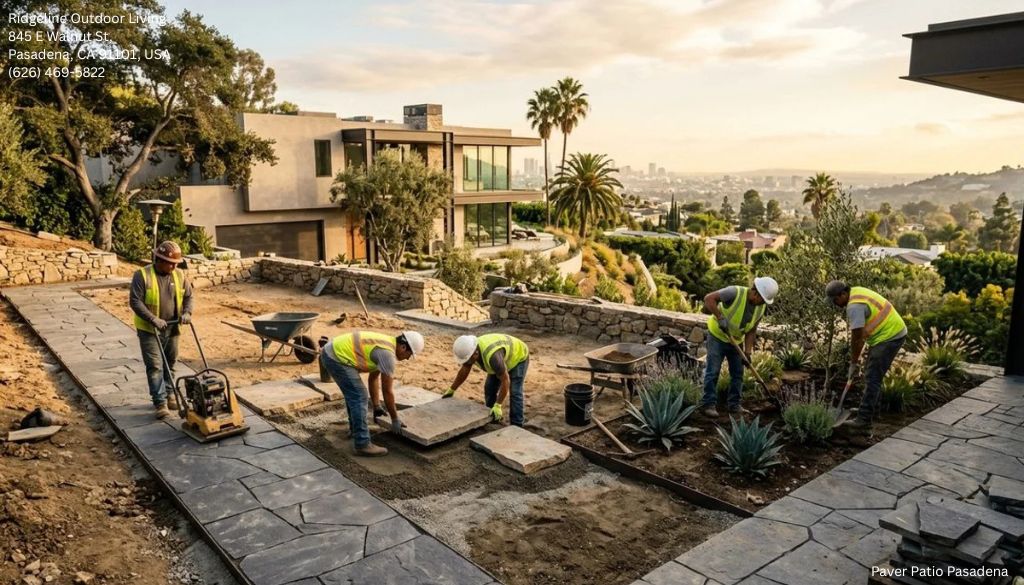
Timing also affects installation success. Fall is often an excellent season to plant in Southern California because roots can establish through cooler weather before peak summer stress arrives. Spring can work well too, but plantings installed just before a severe heat spell demand closer watering oversight. Summer installation is possible, though it leaves less margin for error.
Maintenance is lighter, not absent
Drought resitant landscaping, however the phrase is spelled in a search bar, often gets marketed as maintenance-free. That promise leads to disappointment. A native landscape needs less mowing, less frequent watering, and often less fertilizing than a traditional lawn-centric yard. It still needs skilled care.
Pruning style is one of the biggest differences. Many native shrubs respond poorly to constant shearing into tight balls or boxes. They look and perform better when selectively thinned or lightly shaped according to their natural habit. Over-pruning not only ruins the form, it can shorten plant life and trigger odd, weak growth.
Weed control matters most in the first year or two. Once plants knit together and mulch settles in, pressure usually drops. Irrigation checks should happen a few times a year. Emitters clog, tubing gets nicked, and controller settings drift out of sync with the seasons. The maintenance schedule is lighter than turf, but it rewards attentiveness.
A front yard example that works
Consider a typical Santa Ana front yard of about 1,200 square feet with an aging lawn, a narrow concrete walk, and heat reflecting off both the driveway and the house. The owner wants lower water use, less mowing, and a cleaner entry sequence. The most successful redesigns for a site like this usually do not rely on one dramatic gesture. They rely on several smart, coordinated moves.
The lawn is removed and replaced with a combination of permeable walkway extensions, a small decomposed granite seating pad near the entry, and broad planting zones shaped to suit the architecture. A low evergreen framework of native and Mediterranean-climate shrubs provides year-round structure. Pockets of deer grass and flowering perennials break up the massing and soften the hard edges. One well-chosen small tree, placed to cast shade on the west side by late afternoon, improves comfort far more than a dozen accent plants ever could.
Water use drops because the irrigation is now targeted to planted zones rather than broad turf spray. Maintenance shifts from weekly mowing to periodic pruning, mulching, and valve checks. The yard looks fuller after the second year than it did at installation, which is exactly what you want. Good landscapes should improve with time.
Cost, value, and where people overspend
A native landscape is not always cheap upfront. Removal, grading fixes, irrigation updates, and quality Hardscaping add real cost. Homeowners sometimes assume that because a drought tolerant yard uses less water, it must also be inexpensive to install. Sometimes it is. Often it is not, especially if the design includes custom masonry, lighting, drainage correction, or larger specimen plants.
Where people overspend is usually in the wrong places. Mature specimen plants can eat the budget quickly and are not always necessary. Smaller plants often establish faster and catch up within a few seasons. Overly decorative rock, trendy metal edging used everywhere, or too many small hardscape features can also drain funds without improving function.
Where it makes sense to invest is in layout, soil preparation where needed, irrigation design, and a restrained but durable material palette. These are the bones of the project. They determine whether the landscape grows in gracefully or becomes a series of fixes.
Custom Landscaping ideas do not have to mean expensive one-off features. Sometimes the most custom choice is simply designing to the exact way a family uses the front approach, the side gate, or the evening shade line. Site-specific decisions age better than trend-driven ones.
Fire, heat, and plant spacing
Santa Ana residents also think about heat and, depending on the property, defensible space concerns. Not every home faces the same fire exposure, but plant spacing and maintenance still matter. Crowding plants tightly for an instant full look can create airflow issues, increase disease pressure, and make long-term pruning more aggressive than it needs to be.
This is another reason patience pays off. A newly planted yard should have room to grow. The gaps can feel uncomfortable at first, but proper mulch and thoughtful repetition keep the design coherent while plants mature. By year two or three, those spaces often fill beautifully.
Small trees deserve special care in placement. They should provide shade and scale without overwhelming the house or interfering with walks and driveways. In Santa Ana’s heat, a tree that reduces west-facing solar exposure can make the landscape and the home itself more comfortable.
The look can be refined, not wild
Some homeowners hesitate because they hear “native” and picture something messy or overly rustic. That outcome usually comes from plant selection and maintenance choices, not from the concept itself. Native landscapes can be loose and naturalistic, but they can also be refined, architectural, and highly polished.
Clean edging, repeated forms, restrained color palettes, and strong Hardscaping lines can give a native garden a very tailored appearance. If the house is Spanish, ranch, contemporary, or mid-century, the landscape can support that architecture while still being climate-appropriate. The idea is not to force every property into the same California garden stereotype. It is to let the design language fit the home while the plant strategy fits the environment.
That is one reason Front yard landscaping in Santa Ana often benefits from a professional design eye even on modest projects. The challenge is not just water savings. It is editing. Knowing what to leave out is as important as knowing what to include.
A better yard for this climate
A drought resistant landscape with native plants is not a compromise for Santa Ana. It is often the most sensible and the most attractive response to the place itself. When the design starts with real site conditions, uses plants that belong santa ana landscaping services in the climate, and balances softscape with purposeful Hardscaping, the result is easier to maintain, less thirsty, and more visually grounded than a conventional lawn-centered yard.
The best projects do not chase a generic low-water look. They create shade where people need it, simplify irrigation, reduce wasteful turf, and build plant communities that can handle Santa Ana heat without constant rescue. That is the real promise of drought resistant landscaping here. Not austerity, and not trendiness, but a yard that makes sense season after season.